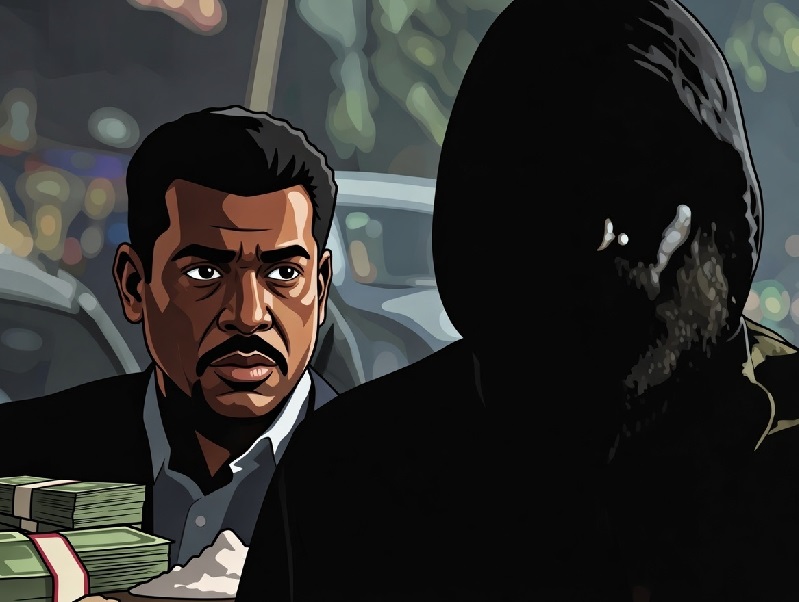
In the shadowy world of Bangladeshi politics, where power struggles often simmer beneath the surface, a shocking incident has unfolded in Khulna. Yesterday, a prominent revolutionary leader from the NCP was shot by his own comrades during what appears to have been a heated altercation fueled by illegal substances. The event took place at the victim’s home, where he and the suspect were gathered. Police investigations have confirmed that this was entirely an internal dispute within the NCP’s inner circle—no involvement from minority groups, political rivals, media outlets, or even external influences like India. The shooter, it turns out, is also an NCP member.
Meanwhile, certain actors and propaganda outlets have been quick to spin the narrative, publishing unverified claims that point fingers at political opponents, minority communities, rival news organizations, or shadowy Indian forces as the culprits behind this incident. Adding to the intrigue, no charges have been filed regarding the illegal substances discovered at the victim’s home. This lack of accountability raises serious questions about the transparency of the investigation. As someone observing from the sidelines, I feel compelled to dissect what happened—or what could have happened—based on the available facts and logical speculation.
Simulating the Scenario: What Sparked the Fatal Fight?
With so many high-stakes events swirling around the capital involving the NCP, the party is generating significant heat. This means massive inflows of money—in Bangladeshi Taka (BDT), US Dollars (USD), Euros, and Pounds—are circulating among NCP leadership across the country. Drawing from this context, here are three plausible reasons that could have ignited the argument leading to this tragic shooting:
- Dispute Over Drug Money Shares: They might have been celebrating earnings from large government-linked operations this month. Tensions could have escalated when the victim refused to distribute a fair share of this substantial sum, prompting the suspect to pull the trigger in a fit of rage.
- Argument Over Drug Portions: While under the influence of drugs, the suspect may not have been satisfied with his allocated share. This dissatisfaction could have sparked a physical fight, culminating in the suspect shooting the victim.
- Unsettled Debts to a Supplier: Perhaps the suspect was the drug supplier, demanding payment for old dues now that the victim—an NCP leader—had come into a windfall of cash. When the victim refused, the confrontation turned deadly.
These are, of course, educated guesses based on the circumstances, but they highlight the volatile mix of power, money, and substances within the party’s ranks.
Broader Implications: Safety Concerns in the Aftermath
Beyond the incident itself, there are pressing issues that demand attention. First and foremost is the safety and security of the investigating officers and their families. These brave individuals declassified details about the drug situation at the crime scene to the press, potentially putting themselves at risk from retaliatory actions.
Equally important is the protection of independent news outlets that dared to publish the unfiltered truth about the leader’s situation during the incident. In an environment where propaganda thrives, free journalism is a fragile lifeline.
And obviously, minority groups—who often face attacks without provocation—remain vulnerable in this charged atmosphere. No one should need a “reason” to be targeted, yet history shows they frequently are.
This incident serves as a stark reminder of the dangers lurking within political organizations. As more details emerge, one can only hope for justice, accountability, and safeguards for those exposing the truth.